itstargetnews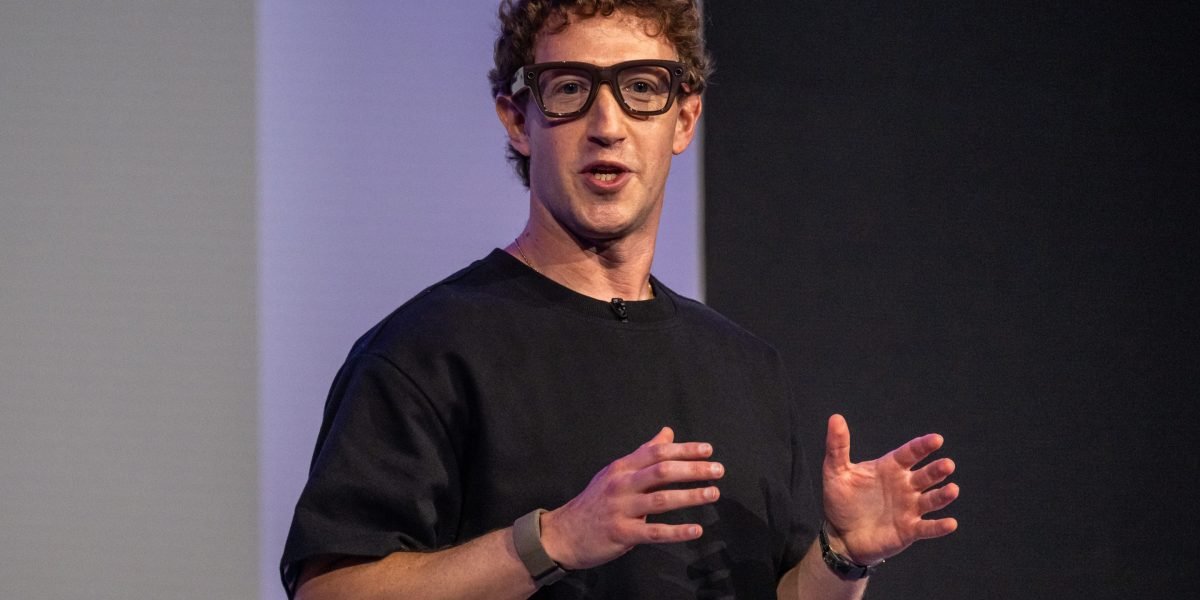
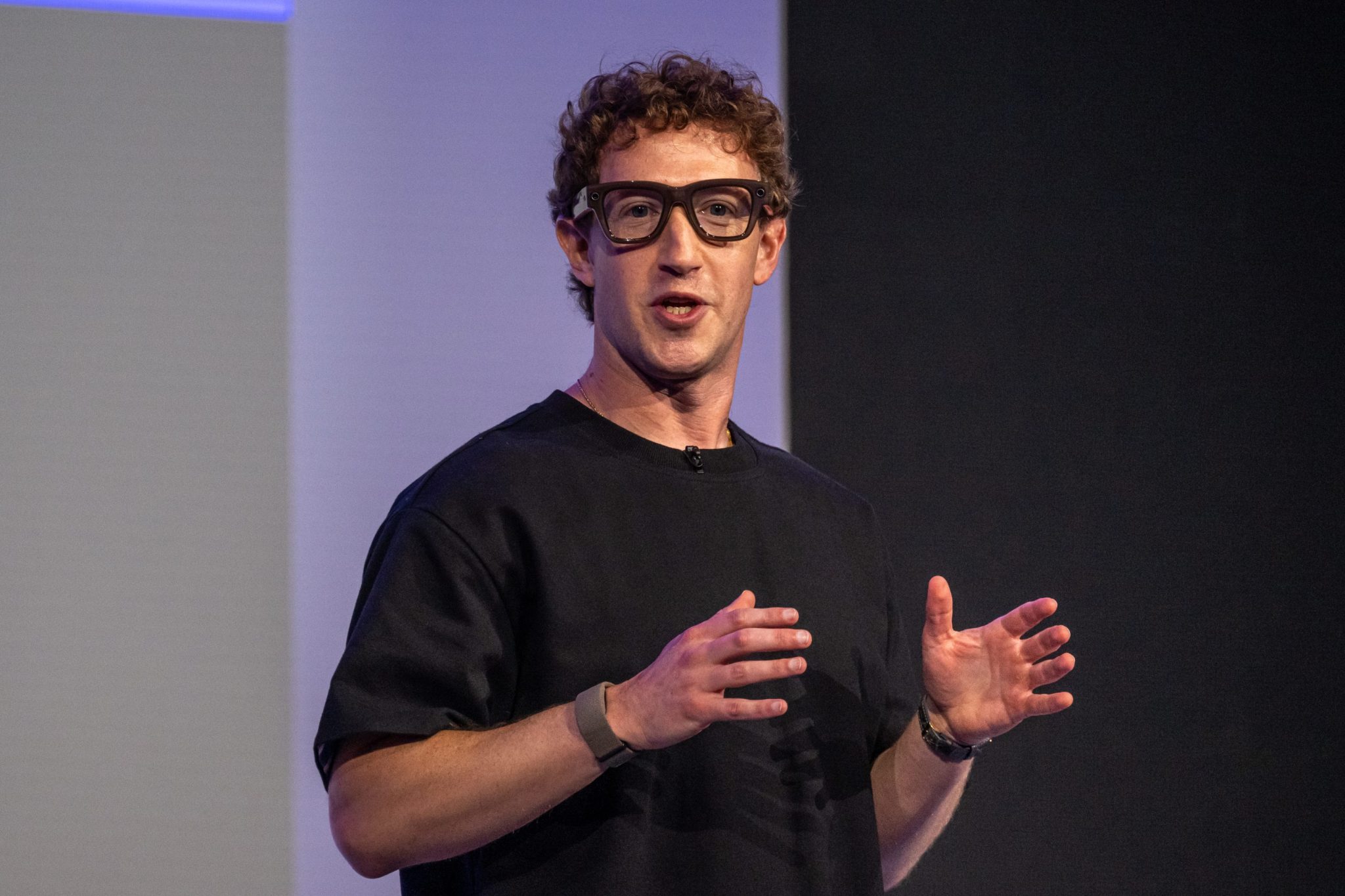
In Meta’s 4th quarter earnings call, CEO Mark Zuckerberg predicted that his company will experience a “massive AI acceleration” in 2026 as it races to catch up after falling behind. GoogleOpenAI and Anthropic in the leading models of AI in 2025.
It has plenty of money to make that happen: The company beat expectations in Q4, delivering $59.89 billion in revenue, compared to the consensus analyst estimate of $58.41 billion. Earnings per share came in at $8.88, against expectations of $8.19.
And the company has made it clear that spending will continue to be substantial. Meta estimates its capital expenditures could rise to $135 billion this year, nearly double the $72 billion reported in 2025, as it unveils its most radical AI spending plans to date, largely driven by increased investment in AI infrastructure costs and talent.
In comments on the earnings call, Zuckerberg went back to last summer, when he rebuilt the foundations of Meta’s AI program, brings Scale CEO Alexandr Wang to lead the Meta Superintelligence Labs.
In the coming months, he said, Meta will begin shipping AI models and products. “I hope our first models are good, but more importantly, they will show the fast path we are on,” he said. “And then I expect we’ll continue to push the boundaries throughout the year, as we continue to release new models.”
The goal? Zuckerberg also clarified that this is “personal superintelligence.”
“We’re starting to see the promise of AI that understands our personal context, including our history, our history, our interests, our content and our relationships,” he said. “A lot of the reason agents matter is the unique context they see, and we believe Meta can provide a uniquely personalized experience.”
In addition, he said the company is working on integrating LLMs with Meta’s recommendation systems on its platforms, including Facebook, Instagram and Threads. “We think that the current systems are primitive compared to what will be possible in the near future,” he said. “Soon, we’ll be able to understand people’s unique personal goals and customize feeds to show each person content that helps them improve their lives in the ways they want.”
Zuckerberg also predicted that in the near future, new immersive and interactive formats will only be possible due to AI advances. “Now, our apps feel like algorithms that recommend content,” he said. “Soon, you’ll open our apps and you’ll have an AI that understands you and can also show you great content or even create more personalized content for you.”
The glasses, he said, are “the ultimate incarnation of this vision,” pointing out that sales of Ray-Ban’s Meta glasses more than tripled last year and that the company’s Reality Labs investment mostly goes into glasses and wearables.
The biggest cost, however, is in infrastructure. He was proud the recently announced Meta Compute organizationsaying that he believes that the most efficient company in building the infrastructure for AI will be a strategic advantage.
Finally, Zuckerberg announced that Meta is investing in AI tools for its workforce, saying the company will elevate individual contributors and flatten teams. “Our north star is building the best place for individuals to make a big impact,” he said, pointing out that what many big Meta teams have done can now be accomplished by “one person with talent.”