itstargetnews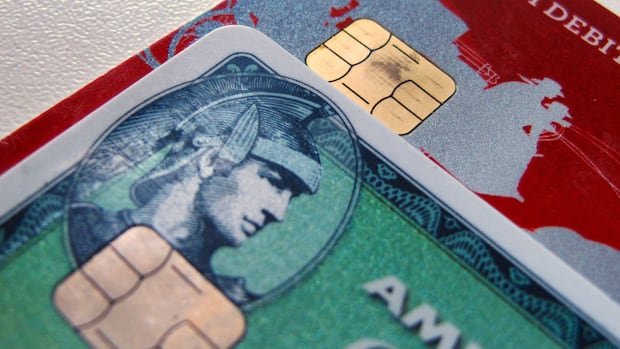
US President Donald Trump’s proposal to cap interest rates on credit cards at 10 percent may bring short-term relief to some consumers, but is likely to cause a wider credit crunch in the long term, experts say.
Earlier this month, Trump wrote on Truth Social that credit card companies had until January 20 to impose the cap and that his administration would not allow Americans to be “scammed” at rates of 20 or 30 percent.
The companies did not give up. So Trump is urging Congress to pass legislation to turn the proposal into law, drawing bipartisan support as well as criticism from prominent Republican politicians.
While it may temporarily relieve some pressures on affordability, the artificial cap on interest rates “will create a shortage in the availability of credit,” RSM chief economist Joseph Brusuelas told CBC News.
“Such policies, even if they prove popular in the short term, tend to harm the very population they are intended to help over time,” he said, because lower-income households that rely on credit to make ends meet will have less access to credit and may pull back on their spending in response.
Ultimately, according to Brusuelas, this could have larger consequences for the economy.
“Yes, it will help debt levels, household debt levels. But they won’t be able to spend. The economy slows down. Usually when the economy slows down, unemployment tends to go up,” he said.

“So, again, you’re limiting the availability of credit to households in weaker markets. And then over time, at least for some, their employment status could be put in jeopardy as the economy slows.”
The average interest rate on credit cards in the US was 23.79 percent in January, according to online financial marketplace LendingTree. Rates for subprime borrowers can exceed 30 percent.
‘Economic disaster’
Trump has been under pressure to follow through on the affordability promises he made during his 2024 presidential campaign, which included a credit card rate cap as a remedy growing household debt.
Most Republicans outside his MAGA base say they are upset with the administration’s handling of cost-of-living data during its first year, according to recent research by Angus Reid.

The US banking sector, which generates a large part of their income of interest, could lose billions of 10 percent of the upper limit, according to a Vanderbilt University study. The industry strongly condemned the proposal.
Speaking at the World Economic Forum in Davos, Switzerland last week, JPMorgan Chase CEO Jamie Dimon said his bank would survive any losses out of a hat – but warned that the proposal, if passed, would lead to “economic disaster”.
“It would remove credit from 80 percent of Americans, which is their backup credit,” Dimon said, stressing that Trump’s proposal would hurt American households and small businesses more than the big card companies.
The American Bankers Association, which represents the nation’s largest lenders and some of its smaller financial institutions, he said in a January 9 statement that the restriction “would only drive consumers toward less regulated, more expensive alternatives.”
Rewards programs at risk?
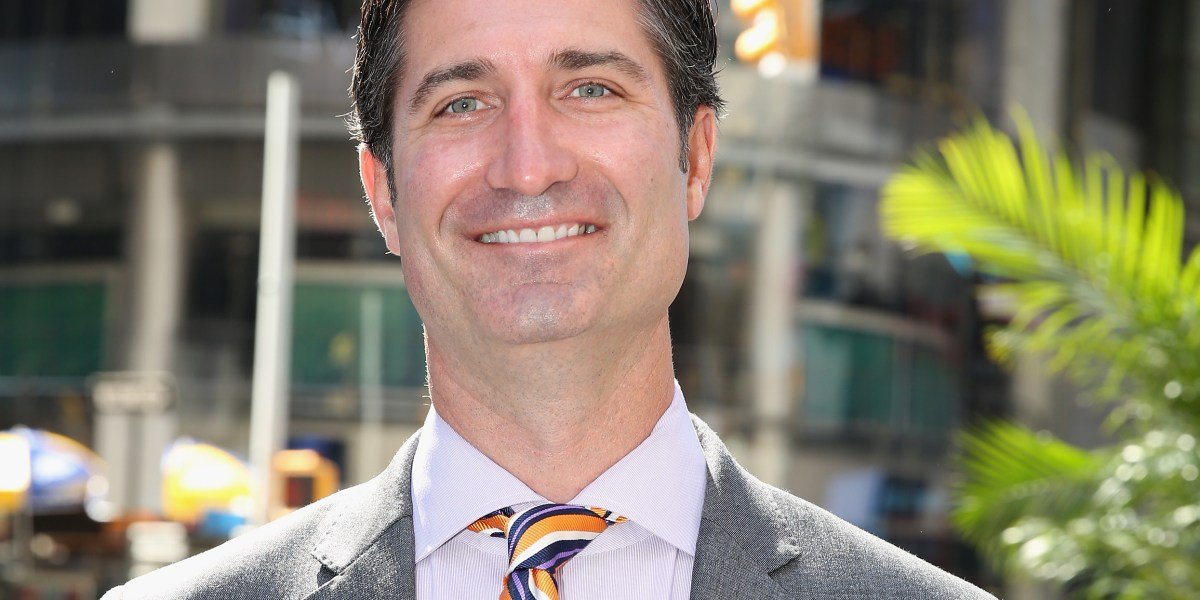
Interest rate cap of 10 percent could also has a significant impact on credit card rewards programs in the US, according to Patrick Sojka, Calgary-based founder of Rewards Canada.
Those programs are often funded by revenue earned from interest, and some companies could “redirect revenue if they’re not making as much from their credit cards or credit card partnerships,” he said. This could mean withdrawing rewards benefits.

“The cards could be less profitable, which is a tough pill to swallow because the U.S. market alone is the most profitable for credit cards,” Sojka said, noting that premium cards, including American Express, Chase and Capital One, promise consumers big benefits.
“When it comes to earning points and miles and getting bonuses, no other market – not even Canada – comes close to what you can do with your US credit cards.”
He shares Trump’s desire to limit rates with two unlikely allies in the progressive wing of the Democratic Party: Sen. Elizabeth Warren of Massachusetts and Sen. Bernie Sanders of Vermont.
During a recent interview with CNBCWarren said Trump called her to discuss a potential cap on credit card interest rates — a policy she has long championed — after she spoke about his record on affordability in a speech.
And last year, Sanders and Republican Senator Josh Hawley introduced the bill cap the annual percentage rate on credit cards at 10 percent for five years.
“When major financial institutions charge more than 25 percent interest on credit cards, they are not in the business of making credit available. They are in the business of extortion and loan sharking,” Sanders they wrote in a statement at that time.
Earlier this month, Hawley used Trump’s statements to advocate for the adoption of the law.
But some Republicans in Trump’s orbit have warned against the limit, including House Speaker Mike Johnson, who said that Adm.nistrification need to be “very careful” with a proposal.
“In our zeal to cut costs, you don’t want to have negative secondary effects,” Johnson told reporters.