itstargetnews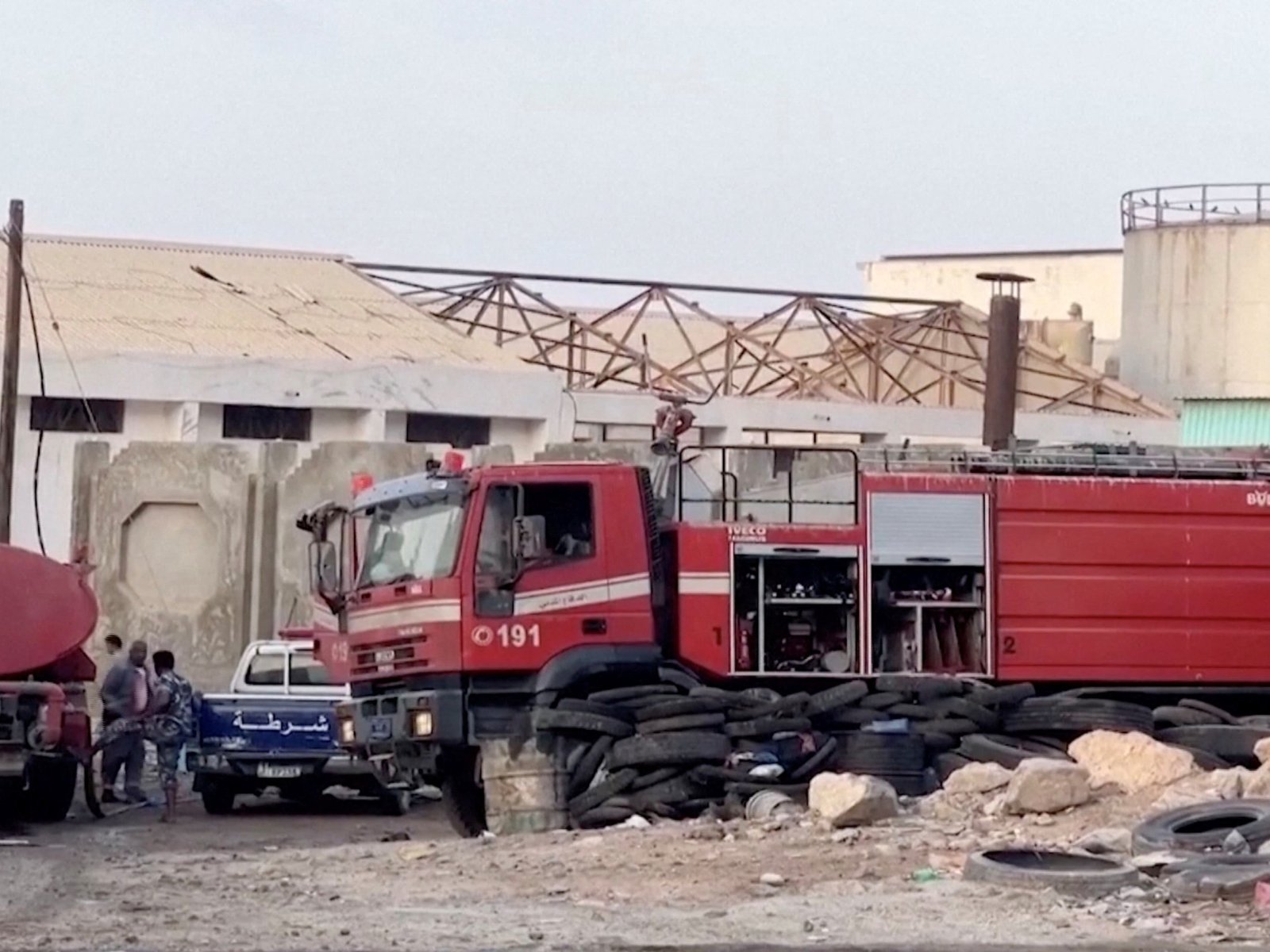
Saudi Arabia’s attack on the port of Mukalla has stoked tensions with its Arab League partners in Yemen and its Gulf Arab neighbor the United Arab Emirates.
Coalition spokesman Maj. Gen. Turki al-Maliki said two ships entered the port of Mukalla, carrying more than 80 vehicles and containers of weapons and ammunition destined for the Southern Transitional Council (STC), without notifying Saudi Arabia or the internationally recognized Yemeni government.
Deep divisions between Yemen’s two allies are now at their peak and may be a turning point for Yemen.
In December last year, a military escalation occurred between Saudi Arabia and the United Arab Emirates in Hadramaut province, where Mukalla is located, and the Yemeni government lost control of the situation.
The Presidential Leadership Council (PLC) is divided into two factions, each loyal to one side in the conflict. The disparity had been simmering away from the spotlight for years before erupting publicly in the past few days.
Saudi Arabia and the United Arab Emirates are key members of Yemen’s Arab military alliance, which was formed to fight the Houthis. The Houthis took full control of the capital Sanaa by force in 2015 and subsequently formed their own government.
Conflicting interests between Saudi Arabia and the UAE have escalated since the establishment in 2017 of the UAE-backed Southern Transitional Council (STC), a separatist political and military force that sought to establish an independent state in the south – South Yemen – between 1967 and 1990.
In early December, STC forces crossed the red line by taking control of all southern provinces, including Hadramawt and Mahra provinces. Saudi Arabia is not happy with this and sees the move as a threat to its national security.
Hadramaut also represents Yemen’s economic depth with its oil and gas resources and related infrastructure, and also has important border crossings with Saudi Arabia, making it part of the border security and trade equation.
The latest public conflict between Saudi Arabia and the United Arab Emirates will cast a pall over the political, economic and military situation in Yemen. Yemen’s political class is divided into two camps, with members of the government following the outside parties to the conflict – Saudi Arabia and the United Arab Emirates.
The clearest ramifications of the divide can be seen in the eight-member PLC, an internationally recognized body that has split into camps loyal to Saudi Arabia and the UAE.
One camp is headed by PLC Chairman Rashad Alimi and includes Sultan Arada, Abdullah Alimi Bawazil and Osman Hussein Mujali. The second group was led by STC force chief Aidarus al-Zoubaidi and included Abdul Rahman al-Mahrami (also known as Abu Zaraa), Tariq Mohammed Saleh and Faraj Salmin al-Bahsani.
After Saudi attacks on ships carrying weapons to the STC, Alimi called on the UAE to withdraw its troops from Yemen, and leaders of the two camps issued two separate statements. One supports the UAE’s withdrawal from Yemen, while the other opposes it – demonstrating that they represent the interests of regional actors while confirming that Yemen is the site of a proxy war.
In the political landscape of Yemen, rapid developments and successive incidents are pushing Yemen into a new stage of civil war between the political and military sectors that make up the legitimate government, with new civil wars emerging among many armed factions.
It also shifts focus away from the Houthi rebellion in the north, which controls Yemen’s Sana’a and most populous provinces.
The main goal of Yemen’s legitimate government and the Saudi-led Arab coalition is to fight the Houthi takeover. Now, after more than a decade of armed conflict, the country is on the brink of collapse and entering a new phase of instability that could help the Houthis expand their influence beyond their current control.
The latest incident will further weaken the Saudi-led coalition and cast doubt on its cohesion and ability to achieve common goals in Yemen.