itstargetnews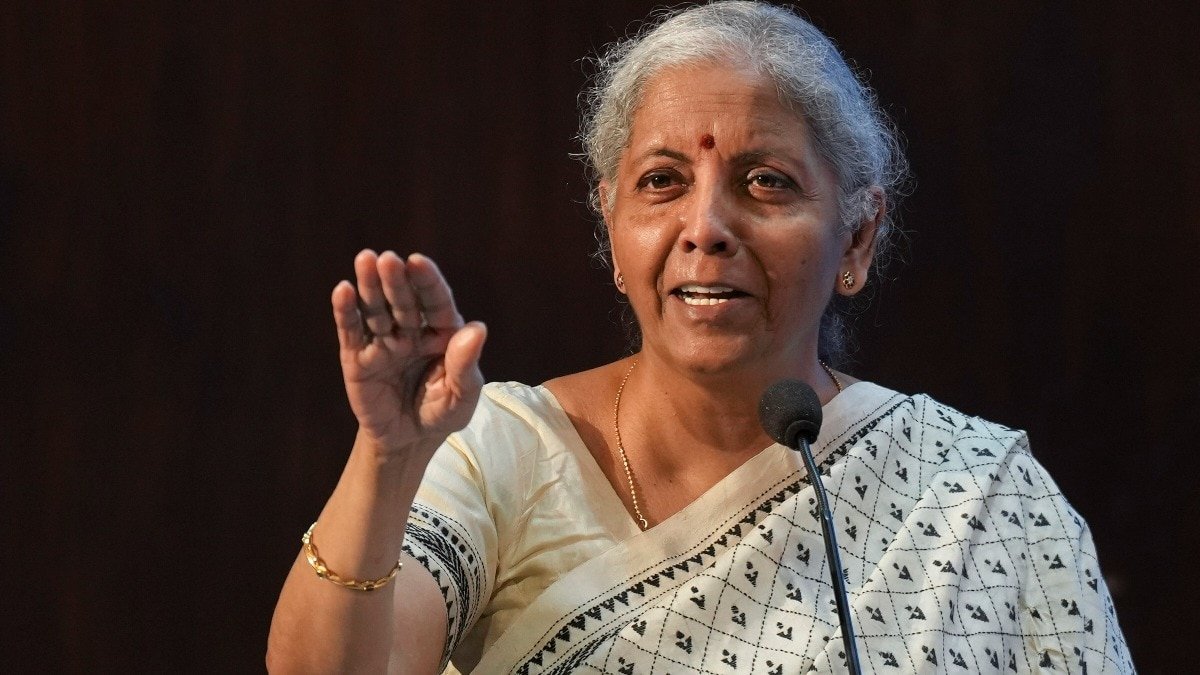
Global trade is being increasingly weaponised, not only through tariffs but also through various other measures, Finance Minister Nirmala Sitharaman warned on Wednesday. “Trade is being weaponized through tariffs, through many other measures, and India will have to negotiate carefully through this,” he said while speaking at the Times Network India Economic Conclave 2025. “Beyond trade negotiations, it is the strength of our economy that will give us a decisive edge.”
His remarks come at a time when India faces strong tariff and non-tariff barriers from several trading partners, including the United States, Mexico and the European Union.
In August, the US slapped a 50% tariff on imports of goods from India. This included a punitive 25% tariff in response to New Delhi’s continued oil trade with Russia. The finance minister said, “India has never weaponized tariffs and has focused on its domestic strengths, strengthening them through structural reforms.”
Mexico has also now imposed duties of up to 50% on imports from non-preferential trading partners, including India. The tariffs, which take effect from January next year, are expected to hit India’s $5.75 billion annual exports to the country, affecting key segments such as electronics, apparel, chemicals and engineering products.
Referring to advice from some quarters that India should pursue freer trade or avoid inward looking, Sitharaman said: “While it is good to hear people giving their advice, India and countries like India that have aspirations will have to set their own target.”
On domestic economic priorities, he said: “The service sector is contributing to GDP, now we need to spend time to see how the manufacturing sector recovers and the government will need to spend money on research and development.”
Sitharaman also said that the government was trying to deepen the bond market so that more funds can come in, not only for equities but also for the bond market. He emphasized the importance of fiscal discipline not only for the Centre, but also for the states. “This same responsibility, transparency and fiscal management as a priority will have to be understood and exercised by the states,” he said, warning that the debt levels of many states were unsustainable. “Unless states’ debt in GSDP is better managed and their debt stock is reduced by debt servicing due to a high interest rate cycle, they will have to borrow to service the loans.”
The FM further said that Prime Minister Narendra Modi is known for his fiscal management and the central government has set clear targets for transparency in budgeting, ensuring that fiscal management is visible to all and meets the highest standards of accountability.
“As a result, we have been able to reduce the debt-to-GDP ratio since the post-Covid period, when it was over 60%. Now it is on a downward path, and from next financial year, this will be a central focus. The fiscal deficit will continue to be an important marker, and we will take care of it.”