itstargetnews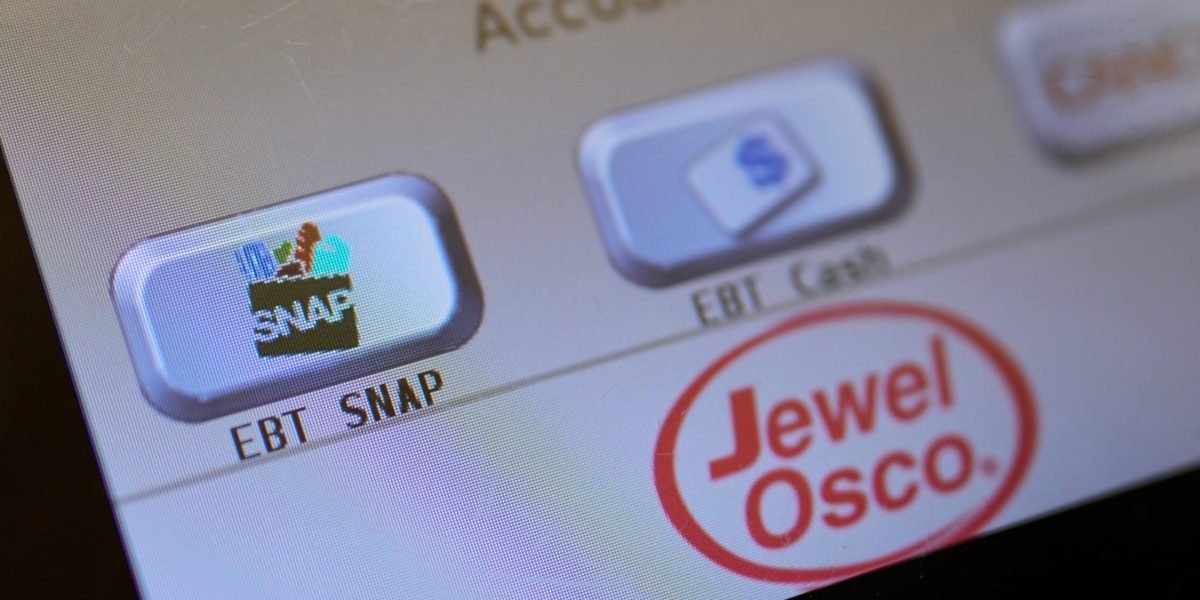

Starting Thursday, Americans in five states are getting government help paying for groceries see new restrictions of soda, candy and other foods they can buy with benefits.
Indiana, Iowa, Nebraska, Utah and West Virginia are first in at least 18 states to create waivers that prohibit the purchase of certain foods through the Supplemental Nutrition Assistance Program, or SNAP.
This is part of the push by Health Secretary Robert F. Kennedy Jr. and Agriculture Secretary Brooke Rollins to encourage states to strip foods deemed unhealthy from $100 billion federal program – long known as food stamps – which serve 42 million Americans.
“We cannot continue a system that forces taxpayers to fund programs that make people sick and then pay a second time to treat the diseases those programs helped,” Kennedy said in a statement in December.
Efforts are aimed at reducing chronic diseases such as obesity and diabetes related to sugary drinks and other drugs, a key goal of Kennedy’s Make America Healthy Again effort.
But retail industry and health policy experts say state SNAP programs, already under pressure from steep budget cuts, not prepared for complex changes, without a complete list of foods affected and technical point-of-sale challenges that vary by state and store. And research remains mixed about whether restricting SNAP purchases improves food quality and health.
The National Retail Federation, a trade association, predicts longer checkout lines and more customer complaints as SNAP recipients learn which foods are affected by the new waivers.
“It’s a disaster waiting to happen to people trying to buy food and being turned away,” said Kate Bauer, a nutrition science expert at the University of Michigan.
A report by the National Grocers Association and other industry trade groups estimated that implementing restrictions on SNAP could cost to US retailers $1.6 billion initially and $759 million annually thereafter.
“Penalizing SNAP recipients means we’re all going to pay more at the grocery store,” said Gina Plata-Nino, SNAP director for the anti-hunger advocacy group Food Research & Action Center.
The waivers are a departure from decades of federal policy first enacted in 1964 and later authorized by the Food and Nutrition Act of 2008, which states that SNAP benefits can be used for “any food or food product intended for human consumption,” except alcohol and ready-to-eat hot foods. The law also says that SNAP cannot pay for tobacco.
In the past, lawmakers have proposed stopping SNAP from paying for expensive meats like steak or so-called junk foods, like chips and ice cream.
But the previous waiver requests were denied based on USDA research concluded that the bans would be expensive and complicated to implement, and that they would not change the purchasing habits of recipients or reduce health problems such as obesity.
Under the second Trump administration, however, states were encouraged and encouraged to seek waivers — and they responded.
“This is not the usual top-down, one-size-fits-all public health agenda,” said Indiana Gov. Mike Braun when he announced his state’s request last spring. “We are focused on key factors, transparent information and real results.”
The state’s five waivers that began Jan. 1 affect about 1.4 million people. Utah and West Virginia will ban the use of SNAP to purchase soda and soft drinks, while Nebraska will ban soda and energy drinks. Indiana targets soft drinks and candy. In Iowa, which has the strictest rules to date, the SNAP limits affect taxable foods, including soda and candy, but also some prepared foods.
“The list of items does not provide enough specific information to prepare a SNAP participant to go to the grocery store,” Plata-Nino wrote in a blog post. “Many additional items – including some prepared foods – are also not allowed, although this is not clearly stated in the notice to households.”
Marc Craig, 47, of Des Moines, said he has been living in his car since October. She said the new waivers make it difficult to determine how to use the $298 in SNAP benefits she receives each month, while also increasing the stigma she feels at the cash register.
“They treat people who get food stamps like we’re not human beings,” Craig said.
The SNAP waivers implemented now and in the coming months will run for two years, with the option to extend them for an additional three, according to the Department of Agriculture. Each state is required to assess the impact of the changes.
Health experts worry that the waivers ignore many factors that affect the health of SNAP recipients, said Anand Parekh, a medical doctor and chief health policy officer at the University of Michigan School of Public Health.
“It does not solve two fundamental problems, which is that healthy food in the country is not cheap and unhealthy food is cheap and ubiquitous,” he said.
——
The Associated Press Health and Science Department receives support from the Howard Hughes Medical Institute’s Department of Science Education and the Robert Wood Johnson Foundation. AP is solely responsible for all content.